
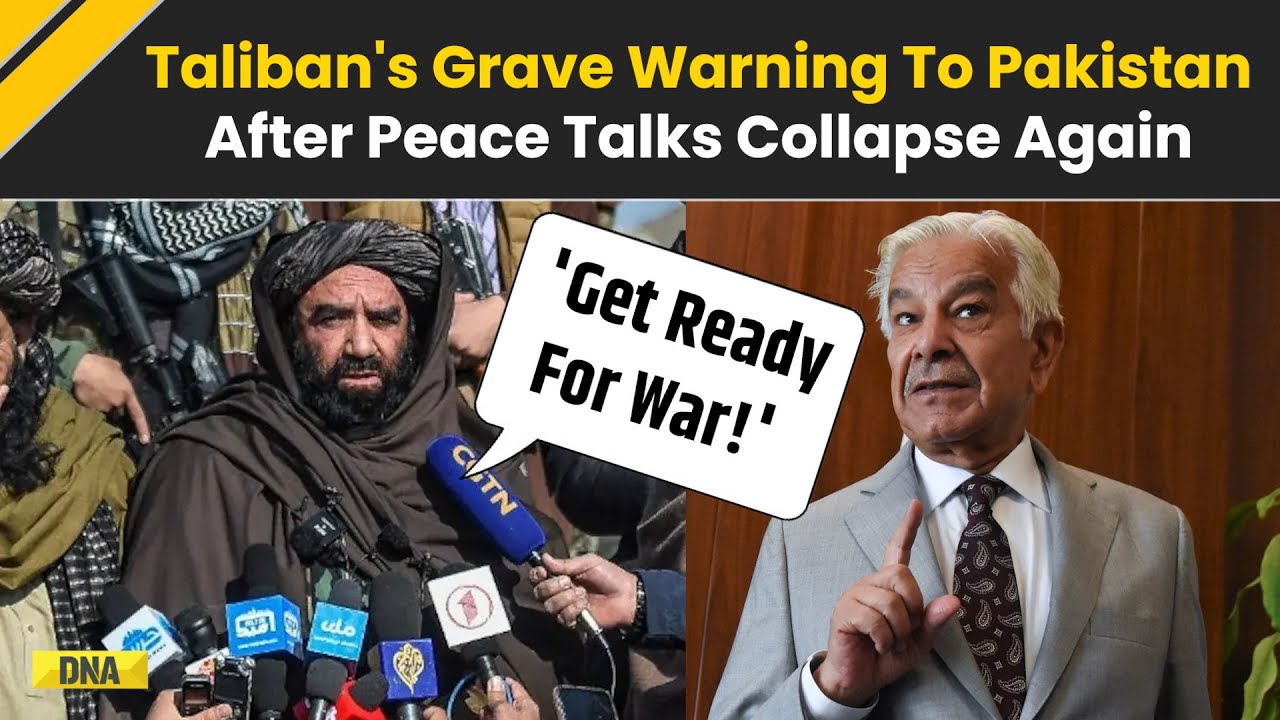
Ready For War’: Taliban Warns Pakistan After Istanbul Talks Collapse Again
Taliban Warns Pakistan After Istanbul Talks Collapse Again — this alarming headline has sent shockwaves through the region. What was meant to be a peace-building dialogue in Istanbul has instead reignited border tensions and fears of military escalation between the two uneasy neighbors.
While both nations publicly insist they seek peace, the hardening rhetoric suggests a dangerous new chapter in Pakistan-Afghanistan relations.
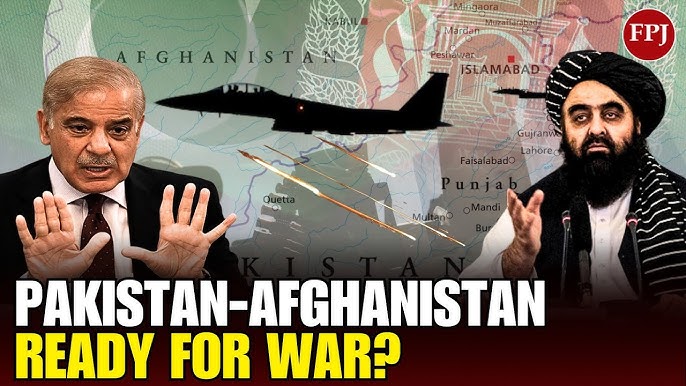
Taliban Warns Pakistan After Istanbul Talks Collapse Again – The Background
The Istanbul talks were part of a regional mediation initiative hosted by Turkey, with Qatar and the UN acting as facilitators. The goal was to address Pakistan’s concerns about militant sanctuaries inside Afghanistan and to establish joint border security protocols.
This was the third round of discussions after previous meetings in Doha and Tashkent ended without consensus. According to AP News, the recent talks also collapsed due to “irreconcilable differences” over counterterrorism commitments.
Pakistan demanded that Kabul take visible action against the Tehrik-i-Taliban Pakistan (TTP), while the Taliban insisted on mutual respect and an end to what it called Pakistan’s “unilateral cross-border aggression.”

What Triggered the Breakdown?
Diplomatic insiders told Reuters that the core sticking point was Pakistan’s request for a written anti-terror pact, which Kabul rejected.
Afghanistan argued that such an agreement would infringe on its sovereignty.
Within hours of the collapse, the Taliban’s spokesman issued a statement:
“Afghanistan seeks good relations, but if provoked, it is ready for war to defend its sovereignty.”
Pakistan’s Defence Minister, Khawaja Asif, responded:
“If peace talks fail, open war is inevitable.”
This exchange marked the sharpest diplomatic confrontation between the two since the Taliban’s return to power in 2021.
Rising Border Tensions After the Taliban Warns Pakistan
The Durand Line, a 2,600-km boundary separating the two nations, has become the center of escalating violence.
Recent clashes in the Spin Boldak-Chaman area killed over 30 civilians, and local trade routes were briefly shut down.
According to Al Jazeera, both sides have reinforced military positions along key crossing points. Pakistan has deployed additional artillery, while Taliban border units have been placed on high alert.
Pakistan’s Demands vs Afghanistan’s Position
| Pakistan’s Demands | Afghanistan’s Position |
|---|---|
| Dismantle TTP sanctuaries | Respect Afghan sovereignty |
| Written anti-terror pledge | Recognition of Taliban government |
| Joint monitoring mechanism | Economic normalization |
Pakistan argues that its patience is running thin, citing over 250 cross-border attacks since January. Afghanistan counters that these incidents are exaggerated and politically motivated.
This blame game underscores a deeper issue: both countries view each other’s security concerns as existential threats.
Expert Reactions to “Taliban Warns Pakistan After Istanbul Talks Collapse Again”
Analysts say the rhetoric from both sides is a symptom of internal weakness.
Islamabad faces severe economic pressure and growing militant attacks, while the Taliban government struggles with international isolation and internal dissent.
Security analyst Dr. Ayesha Siddiqa told the Dawn newspaper:
“Both sides are playing to domestic audiences. Neither can afford a full-scale war, but both want to appear strong.”
Meanwhile, Afghan political commentator Ahmad Wali Haqmal noted that Pakistan’s “coercive diplomacy” has backfired, pushing Kabul toward greater defiance.
Internal Link:
If you want to understand the background of TTP’s role in the conflict, read our report:
The Rise of TTP and Its Impact on Pakistan-Afghanistan Relations
International Response to the Taliban’s Warning
The international community has expressed concern over the breakdown.
- Turkey urged both sides to “re-engage constructively.”
- China emphasized the need to protect regional projects like the China-Pakistan Economic Corridor (CPEC).
- The United Nations warned of a possible refugee crisis if border tensions escalate further.
A statement from the UN Mission in Afghanistan (UNAMA) highlighted that “border security issues must not endanger civilian lives or disrupt humanitarian aid.”
Potential Consequences if the Crisis Escalates
- Humanitarian Fallout: Renewed violence could push thousands of Afghan refugees into Pakistan.
- Terror Resurgence: Groups like TTP might exploit the chaos to strengthen operations.
- Economic Disruption: Trade through Torkham and Chaman would be crippled, harming both economies.
- Regional Destabilization: Neighboring countries like Iran and China could be drawn into the fallout.
Can Pakistan and the Taliban Find Common Ground?
Diplomats believe that back-channel communication continues despite public hostility. Turkey and Qatar are exploring a fourth round of peace talks in Doha later this year.
To succeed, both countries will need to:
- Replace rhetoric with verifiable commitments.
- Involve neutral observers for border management.
- Agree on an intelligence-sharing framework.
If these steps fail, the phrase “Taliban Warns Pakistan After Istanbul Talks Collapse Again” may turn from a headline into a grim reality.

Final Thoughts on the Taliban Warning to Pakistan
The collapse of the Istanbul peace talks has revealed just how fragile Pakistan-Afghanistan relations remain. The Taliban’s warning — and Pakistan’s counter-threat — suggest a dangerous stalemate where neither side can afford escalation but neither wants to appear weak.
Unless diplomacy regains momentum, both nations risk plunging into another cycle of violence that the region — and its people — can ill afford
External DoFollow Resources:
- AP News – Pakistan-Afghanistan Talks Collapse
- Reuters – Pakistan Warns of Open War
- Al Jazeera – Border Tensions
Pakistan’s Demands vs Afghanistan’s Position
The recent Taliban Warns Pakistan After Istanbul Talks Collapse Again statement highlights how far both sides remain from an agreement.
| Pakistan’s Demands | Afghanistan’s Position |
|---|---|
| Action against TTP militants operating from Afghan soil | Respect for Afghanistan’s sovereignty |
| Joint border security operations | Recognition of the Taliban-led government |
For readers wanting more background, our feature on the history of Pakistan-Afghanistan border disputes explains how this 2,600 km frontier became one of the world’s most tense flashpoints.
You can also read: ➡️ Istanbul Peace Talks Summary ➡️ Regional Security Analysis: South Asia’s Shifting Alliances