Sudan Civil War: 1.5 Lakh Dead as RSF ‘War Crimes’ in El-Fasher
John don
The Sudan Civil War has reached catastrophic proportions, claiming more than 1.5 lakh lives and leaving millions displaced. Recent atrocities in El-Fasher, Darfur, by the Rapid Support Forces (RSF) have shocked the global community, with credible reports suggesting acts that may amount to war crimes and crimes against humanity.
Understanding the Sudan Civil War
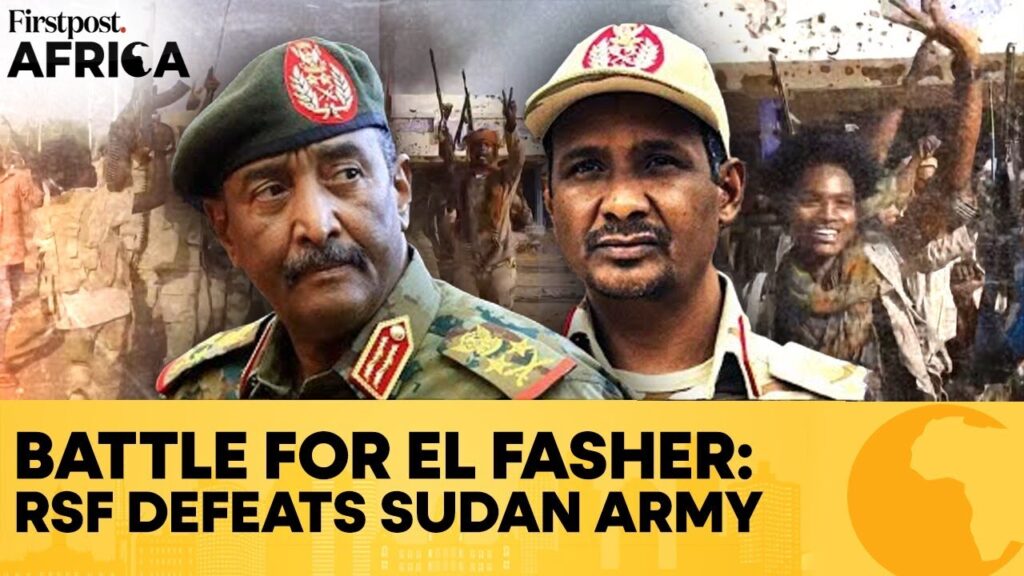
The Sudan Civil War erupted in April 2023 between the Sudanese Armed Forces (SAF) and the Rapid Support Forces (RSF) — both vying for control over the nation’s political and economic future. Once allies, their rivalry has torn the country apart.
The conflict has since spread to every major city, but the battle for El-Fasher—a humanitarian hub in North Darfur—has become a grim symbol of this war’s brutality.
El-Fasher: The Epicenter of Atrocities in the Sudan Civil War
Why El-Fasher Matters
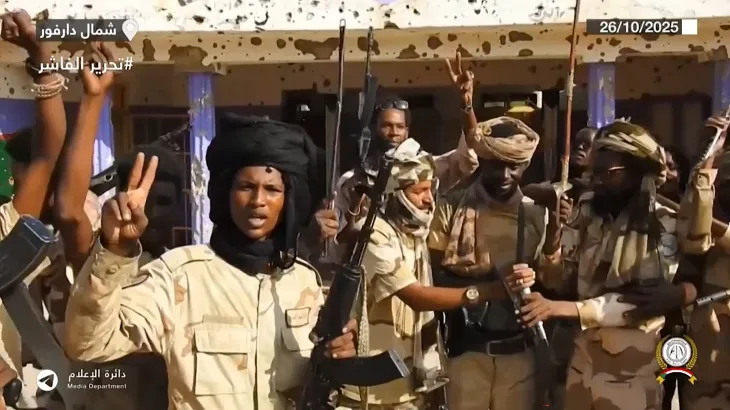
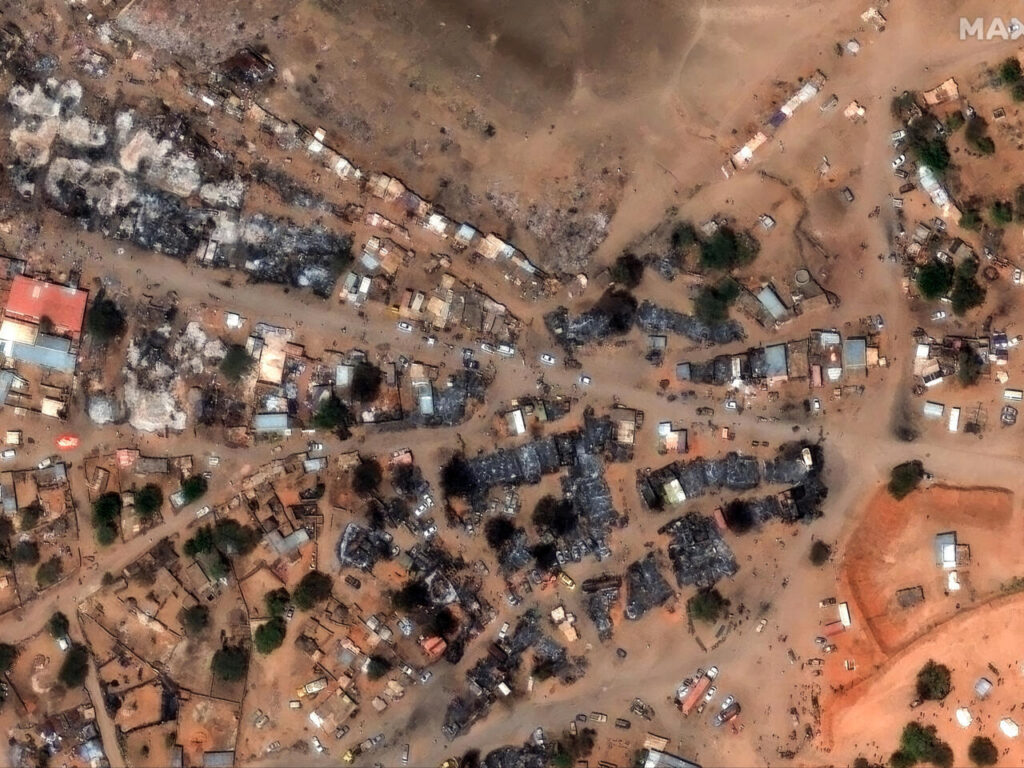
El-Fasher has long been a critical supply point for the Darfur region. As the Sudan Civil War intensified, thousands sought refuge there. But in late October 2025, RSF forces seized control, sparking widespread violence.
According to reports from Al Jazeera, residents witnessed “horrific violations,” including summary executions and civilian massacres.
RSF War Crimes and Civilian Suffering
1. Mass Killings and Executions
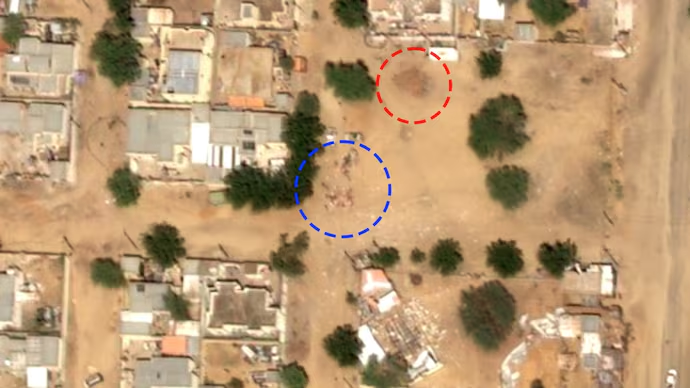
Eyewitnesses recount that RSF troops conducted house-to-house executions, targeting ethnic non-Arab groups. Doctors Without Borders confirmed that hundreds of civilians were murdered during the siege.
2. Targeting Hospitals and Aid Workers
In what the Health Ministry labeled “crimes against humanity,” hospitals in El-Fasher were bombarded, killing medical staff and patients. These attacks crippled humanitarian operations amid the Sudan Civil War.
3. Gender-Based Violence and Displacement
Women and children have suffered disproportionately. The UN reports cases of systematic rape and forced displacement, echoing the horrors of the earlier Darfur genocide.
“We are watching history repeat itself,” said a UN human rights official.
Humanitarian Crisis: Starvation and Disease Spread Across Sudan
The Sudan Civil War has displaced nearly 10 million people. Blocked aid routes mean that food, water, and medicine rarely reach those trapped in conflict zones. More than 25 million Sudanese now depend on humanitarian aid for survival, per UN OCHA.
The International Criminal Court (ICC) has opened preliminary investigations into the RSF’s actions. The UN High Commissioner for Human Rights has condemned the atrocities, warning they may amount to genocide. (Read the ICC statement →)
Regional and Global Silence
Despite international concern, regional powers have done little to intervene. Analysts argue that geopolitical rivalries and resource interests have kept Sudan’s tragedy off the front pages.
Internal and External Repercussions
The Sudan Civil War risks destabilizing the entire Horn of Africa. Neighboring Chad and South Sudan face refugee inflows, while Egypt and Ethiopia watch the chaos warily.
Economically, Sudan’s collapse has triggered inflation, famine, and the near-total breakdown of infrastructure.
Immediate ceasefire and international monitoring in Darfur.
Humanitarian corridors for food and medical supplies.
Accountability through the ICC for RSF commanders implicated in war crimes.
Media attention to sustain pressure for action.
Without decisive intervention, experts warn the Sudan Civil War could soon rival the worst humanitarian crises of the century.
Conclusion: The World Cannot Look Away
The Sudan Civil War is not just a local conflict—it’s a human catastrophe unfolding in real time. The death of 1.5 lakh people and ongoing RSF war crimes in El-Fasher underline an urgent moral imperative: the global community must act.
If ignored, Sudan could descend into another protracted genocide—one history may again regret watching in silence.