


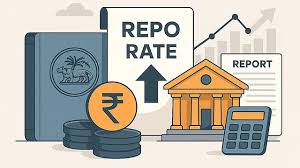
Repo Rate: A Simple, Human, and Complete Explanation
The repo rate may sound like a complicated financial term, but it plays a role in some of the most ordinary parts of life—your home loan EMI, the interest you earn on your savings, and even the price of groceries. Many people hear the phrase “repo rate” when the central bank makes announcements, yet very few fully understand what it means. This guide explains the repo rate in calm, clear, everyday language, without any unnecessary economic jargon.
What Is the Repo Rate? A Human Explanation
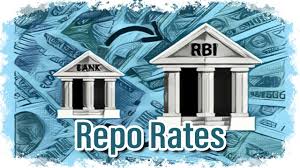
The repo rate is the interest rate at which the central bank lends money to regular banks. Banks sometimes run short of cash, just like people do. When that happens, they borrow money from the central bank for a short time. To secure this borrowing, they hand over government bonds as collateral. The interest they pay on this short-term loan is the repo rate.
You can think of the repo rate as the “cost of emergency money” for banks. When this cost rises, banks become more careful about lending money. When the cost falls, they feel more comfortable lending.
For a more technical perspective, you can explore the Investopedia page (DoFollow):
https://www.investopedia.com/terms/r/repurchaseagreement.asp
Why the Repo Rate Matters to Your Daily Life
At first, the repo rate may seem like something only economists or bankers need to care about. But it quietly shapes decisions that affect everyone.

1. The Repo Rate Affects Your Loans
Any time you take a home loan, car loan, personal loan, or business loan, the interest rate is influenced—directly or indirectly—by the repo rate. When the repo rate increases, banks raise loan interest rates to cover their higher borrowing costs. When the repo rate decreases, loans often become cheaper.
2. The Repo Rate Influences Savings
If the repo rate rises, banks may offer higher interest rates on fixed deposits or savings accounts. If the repo rate falls, interest rates on savings might decline as well.
3. The Repo Rate Impacts Business Growth and Jobs
Businesses borrow money to expand, hire workers, buy equipment, or launch new projects. When the repo rate is high, borrowing becomes costly and growth may slow. When the repo rate is low, companies find it easier to afford expansion, creating jobs and boosting economic activity.
If you want to explore how interest rates affect personal finance, here is an internal guide:
/personal-finance-basics
4. The Repo Rate Helps Control Inflation
Inflation rises when too much money is chasing too few goods. A higher repo rate makes borrowing more expensive, slowing down spending and helping keep prices under control. A lower repo rate encourages spending, which can stimulate growth when the economy needs it.

How the Repo Rate Works Behind the Scenes
The process is simpler than it sounds:
- A commercial bank needs short-term cash.
- It approaches the central bank.
- It hands over government securities as collateral.
- The central bank lends money at the repo rate.
- The bank repays the money plus interest.
- The central bank returns the securities.
This system is designed to keep the banking system stable and prevent liquidity crises.
The International Monetary Fund offers a deeper explanation of monetary policy tools (DoFollow):
https://www.imf.org/en/Topics/monetary-policy
Repo Rate vs. Reverse Repo Rate
These two terms often get mixed up, but they are easy to differentiate once understood clearly.
- Repo Rate: Banks borrow from the central bank.
- Reverse Repo Rate: Banks deposit money with the central bank.
The reverse repo rate helps the central bank pull excess money out of the banking system. Both rates work together to maintain stability in the flow of money.
Why the Central Bank Changes the Repo Rate
The central bank doesn’t change the repo rate casually. It studies economic conditions closely before making any decision. Some of the major factors include:
- inflation trends
- economic growth data
- unemployment levels
- liquidity in the banking system
- domestic and global market conditions
- currency movements
If inflation is rising faster than expected, the central bank may increase the repo rate to slow things down. If the economy is weakening, the central bank may lower the rate to encourage borrowing and spending.
To explore inflation in more detail, see the internal resource:
/inflation-guide
Impact of the Repo Rate on Different Parts of Life
Car Loans and Personal Loans
The same rule applies to other loans. Borrowing becomes cheaper when the repo rate falls and more expensive when it rises.
Home Loans and EMIs
When the repo rate goes up, home loan EMIs usually rise as banks revise their lending rates. This is especially noticeable for people with floating-rate home loans. A lower repo rate often brings relief by reducing monthly payments.
Saving and Investing
When the repo rate is high, fixed deposits and savings accounts may offer better returns. This encourages people to save more. When the repo rate is low, people may prefer investing in other asset classes.
Business Decisions
A higher repo rate can delay expansion plans for companies. A lower repo rate can encourage businesses to borrow and grow.
For a broader understanding of how credit works, see the internal article:
/credit-score-improvement
How Understanding the Repo Rate Helps You Make Better Decisions
Being aware of repo rate changes can help you:
- decide when to take a home loan
- choose between fixed and floating interest rates
- compare different bank offers wisely
- plan long-term investments more confidently
- understand why prices rise or fall
- interpret financial news accurately
Understanding the repo rate gives you a sense of control over financial choices. Instead of feeling lost when rates go up or down, you’ll know exactly what those changes mean.
External Resources for Deeper Learning
Here are some high-quality external resources that explain monetary policy (DoFollow):
- International Monetary Fund – Monetary Policy
https://www.imf.org/en/Topics/monetary-policy - Investopedia – Repurchase Agreements
https://www.investopedia.com/terms/r/repurchaseagreement.asp - Bank for International Settlements – Monetary Policy Papers
https://www.bis.org/publ/bppdf/bispap25.pdf
Internal Links for Further Reading
- /personal-finance-basics – Learn the basics of managing money
- /inflation-guide – Understand what inflation really means
- /loan-basics-guide – Learn how different loans work
- /credit-score-improvement – Improve your creditworthiness
Final Thoughts
The repo rate may seem like an abstract economic concept, but it quietly shapes many parts of everyday life. It influences how much you pay for a home loan, how much you earn from a savings account, how businesses grow, and how stable prices remain. By understanding the repo rate—not just the definition, but how it works and why it changes—you gain a clearer picture of the financial world around you.