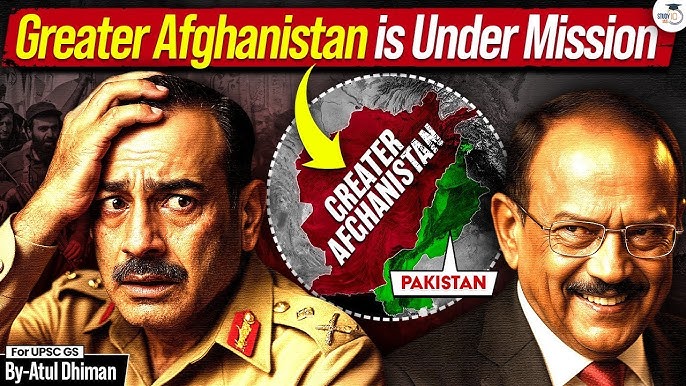
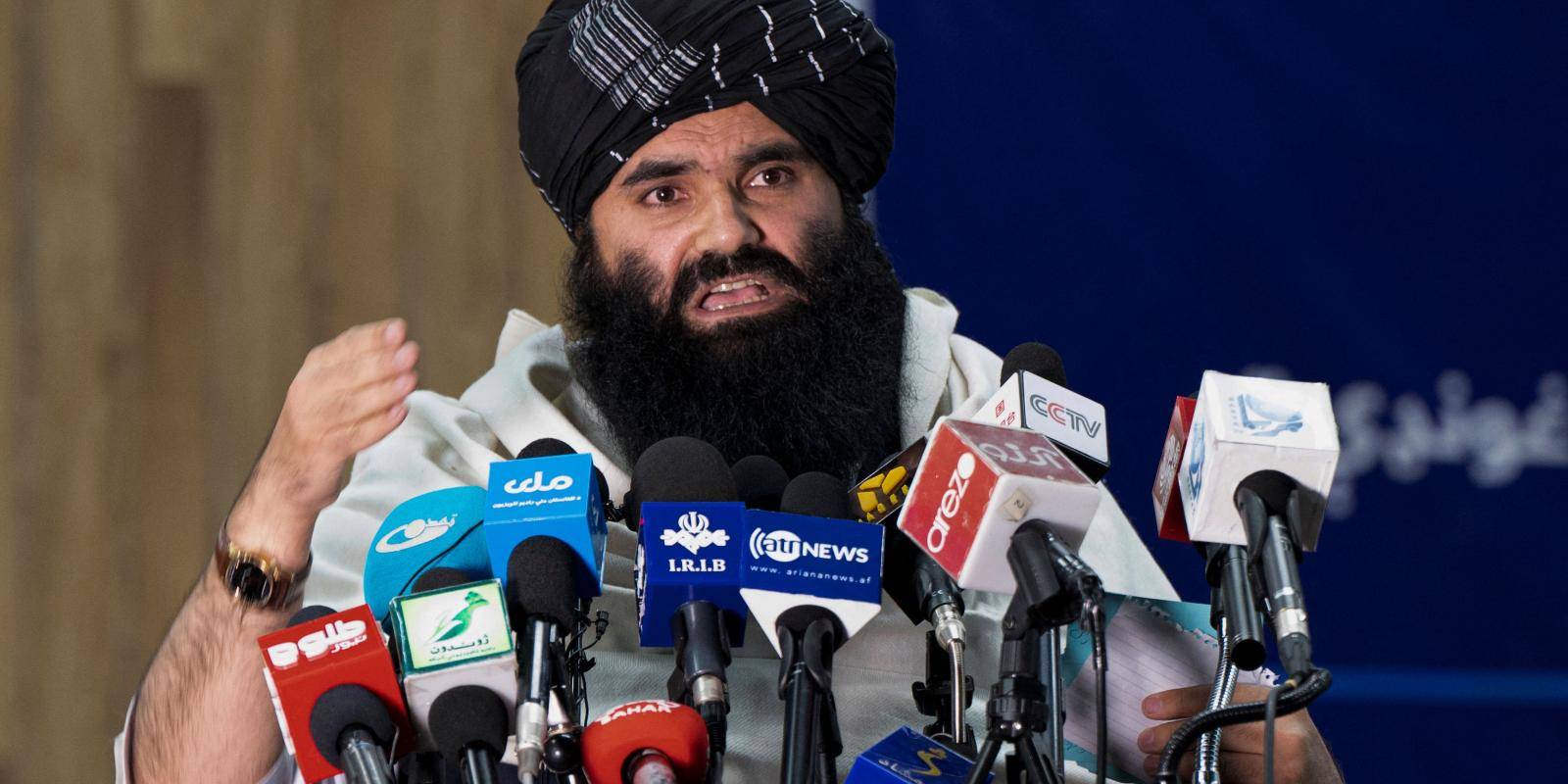
Mission Greater Afghanistan is more than just a slogan — it’s a blueprint for the Taliban’s regional resurgence. Since returning to power in 2021, the Taliban have sought to expand their political, economic, and ideological influence beyond Afghanistan’s borders. Analysts warn that this bold plan could spark new conflicts, destabilize neighboring states, and alter South Asia’s balance of power for years to come.
This blog explores the seven most alarming waysMission Greater Afghanistan could threaten South Asia’s stability.
1. Economic Expansion Masking Geopolitical Goals
Under the banner of Mission Greater Afghanistan, the Taliban aim to transform Afghanistan into a regional trade and energy hub. A Reuters report reveals plans for new pipelines and transport corridors linking Central Asia with South Asia through Afghan territory.
While these projects may promise economic growth, they also enable the Taliban to control critical supply routes — turning Afghanistan into a geopolitical toll booth for the region.
2. Rising Cross-Border Militancy
The Tehrik-e-Taliban Pakistan (TTP) and Islamic State – Khorasan Province (IS-K) have grown bolder under Taliban rule. A UN report warned that Afghanistan remains a “primary source of terrorist threat” to South and Central Asia.
Under Mission Greater Afghanistan, these networks enjoy greater freedom of movement — enabling cross-border attacks and radical recruitment that threaten Pakistan, India, and Bangladesh alike.
Mission Greater Afghanistan taps into deep-rooted Pashtun identity politics, challenging Pakistan’s sovereignty along the Durand Line. By promoting a trans-border sense of unity, the Taliban risk igniting ethnic unrest that could fracture Pakistan’s internal stability.
This ideological export, if unchecked, could spill into India’s Kashmir region and beyond. The Strategic Brief warns of increasing cooperation between the Taliban, TTP, and Baloch insurgent factions.
4. Strategic Realignment and Diplomatic Isolation
Afghanistan’s new alliances with China, Iran, and Russia have reshaped its foreign policy priorities. The Taliban’s participation in Chinese-led infrastructure projects, for instance, threatens to sideline India from regional development initiatives.
The Hindu reports that India is cautiously re-engaging with the Taliban, recognizing that complete isolation would only push Kabul deeper into rival spheres of influence.
5. Narcotics and Arms Trafficking Networks
Afghanistan remains one of the world’s largest producers of opium and methamphetamine. The weakened oversight under the Taliban has allowed criminal syndicates to flourish, funneling drugs and weapons through Pakistan and Iran into South Asia.
This aspect of Mission Greater Afghanistan is often ignored — but its economic underworld could bankroll terrorism, fuel addiction crises, and destabilize border regions.
6. Refugee Crisis and Humanitarian Fallout
With Afghanistan’s economy collapsing, millions are at risk of starvation or forced migration. Neighboring nations like Pakistan and Iran already host millions of Afghan refugees. The Taliban’s focus on regional dominance over domestic reform threatens to worsen humanitarian suffering.
The UNHCR Afghanistan Report highlights that over 6.5 million Afghans are displaced — a number set to rise if instability persists.
7. Erosion of Regional Stability and Global Security
Ultimately, Mission Greater Afghanistan challenges the very foundations of South Asian stability. If Afghanistan becomes a launchpad for extremism or geopolitical rivalry, the effects could ripple far beyond its borders — from trade routes to international security.
Multilateral cooperation through SAARC and the Shanghai Cooperation Organization (SCO) is vital to prevent escalation. Nations must act now to engage Afghanistan through diplomacy, development, and dialogue before it’s too late.
Conclusion: The Future of Mission Greater Afghanistan
Mission Greater Afghanistan is not just the Taliban’s dream — it’s a regional turning point. It represents ambition, ideology, and danger in equal measure. Whether it becomes a pathway to stability or a new source of conflict depends on how South Asia responds today.
For now, one thing is clear: the mission is underway, and the world cannot afford to ignore its consequences.