



/india-bangladesh-relations
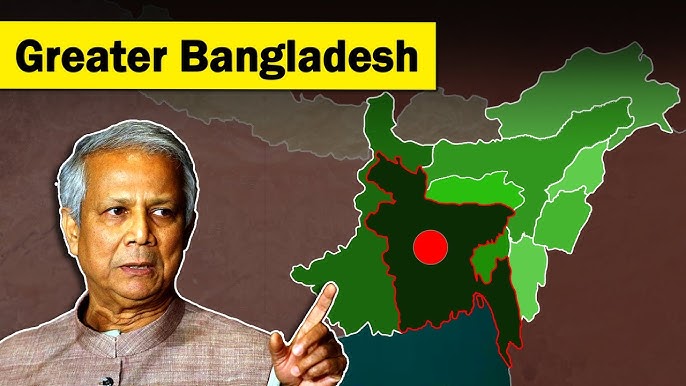
The Greater Bangladesh Plan has been a topic of intense discussion among policymakers, analysts, and security experts in South Asia. With its alleged goal of expanding Bangladesh’s influence through demographic, political, and economic strategies, concerns have arisen about whether India’s Northeast is at risk. This article examines the historical background, potential threats, and policy responses surrounding the Greater Bangladesh Plan.
Alt text: Greater Bangladesh Plan impact on India’s Northeast

What is the Greater Bangladesh Plan?
The Greater Bangladesh Plan is often cited as a strategy aimed at expanding Bangladesh’s influence beyond its current borders. Although its existence as an official policy is disputed, the idea is rooted in historical, demographic, and cultural narratives. Some analysts argue that migration, political strategies, and economic influence could gradually reshape regional demographics.
For further reading on South Asia geopolitics, see The Diplomat (DoFollow).
Historical Context Behind the Greater Bangladesh Plan
India’s Northeast shares an extensive 4,096 km border with Bangladesh, making it sensitive to cross-border dynamics. Historical events relevant to the Greater Bangladesh Plan include:
- Migration Pressures: Migration from East Pakistan (now Bangladesh) has altered the demographics of states like Assam and Tripura.
- Ethnic Tensions: Local communities have expressed concerns over land, jobs, and cultural identity.
- Security Challenges: Insurgencies and smuggling along porous borders continue to affect the region.
For a detailed study on migration, refer to World Bank Reports on Migration (DoFollow).

Is India’s Northeast Really at Risk from the Greater Bangladesh Plan?
The Northeast may be vulnerable in several ways, but the actual threat posed by the Greater Bangladesh Plan is nuanced. Key aspects include:
Demographic Concerns
Illegal migration from Bangladesh has historically affected population distribution in states like Assam and Tripura. While these demographic changes fuel fears about the Greater Bangladesh Plan, it’s important to differentiate between natural migration due to poverty and orchestrated political strategies.
Political and Cultural Implications
Shifts in demographics can influence local elections and cultural dynamics. The Greater Bangladesh Plan is often cited in political debates to justify concerns over marginalization of local communities.
Economic and Security Dimensions
Porous borders allow both legal trade and illicit activities. The Greater Bangladesh Plan is sometimes linked to cross-border smuggling and infiltration risks that could affect regional security.
India has strengthened its security through measures like:
- Border fencing and surveillance
- Biometric systems for detecting illegal migration
- Diplomatic engagement with Bangladesh
For security updates, check Ministry of Home Affairs, India (DoFollow).

Analysts’ Perspectives on the Greater Bangladesh Plan
Experts remain divided on whether the Greater Bangladesh Plan poses a real threat:
- Skeptical View: Many analysts argue that fears are overstated and that internal governance and development are more pressing concerns.
- Cautious View: Others warn that ignoring demographic shifts could lead to long-term challenges in social cohesion and political stability.
For regional geopolitical analysis, see Observer Research Foundation (DoFollow).
How India Can Address Risks Associated with the Greater Bangladesh Plan
Managing risks related to the Greater Bangladesh Plan involves multiple strategies:
- Border Security Enhancement – Improved fencing, surveillance, and patrolling.
- Legal Migration Management – Ensuring proper documentation and verification.
- Socio-Economic Development – Promoting development in the Northeast to reduce unrest.
- Diplomatic Engagement – Strengthening cooperation with Bangladesh on migration and trade.
Internally, India can leverage resources such as Northeast Development Authority for development programs (internal link).
Conclusion
The Greater Bangladesh Plan continues to stir debate, but the true challenge for India’s Northeast lies in addressing migration, security, and socio-economic development in a balanced manner. While vigilance is necessary, exaggerating threats could hinder rational policymaking. Strengthening governance, infrastructure, and diplomacy remains the most effective way to protect the region while fostering inclusive growth.
India’s Northeast, with its rich culture and strategic significance, must be safeguarded through practical measures rather than fear-driven narratives surrounding the Greater Bangladesh Plan