
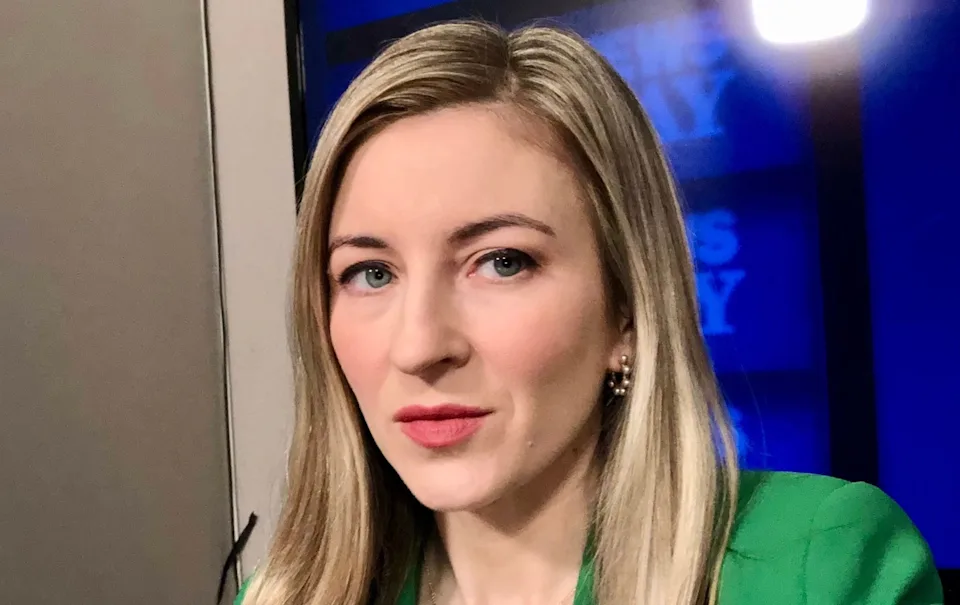
Who Is Catherine Lucey?
Catherine Lucey is a veteran political journalist with more than twenty years of experience covering government, campaigns, and major national issues. Before joining Bloomberg News as a White House correspondent, she reported for the Associated Press and other major outlets. Her career has taken her across multiple continents — including assignments in Europe, South America, Asia, the Middle East, and beyond — giving her a global perspective on political affairs.
Lucey is known in journalism circles for her calm professionalism, her ability to ask sharp but fair questions, and for never shying away from issues that matter to the public. Her questions during presidential administrations are often direct and policy-focused, reflecting her years of experience analyzing political behavior.
Her work has regularly been cited by respected publications in political reporting. You can learn more about her career background through professional media directories such as the Society of Professional Journalists (DoFollow link).
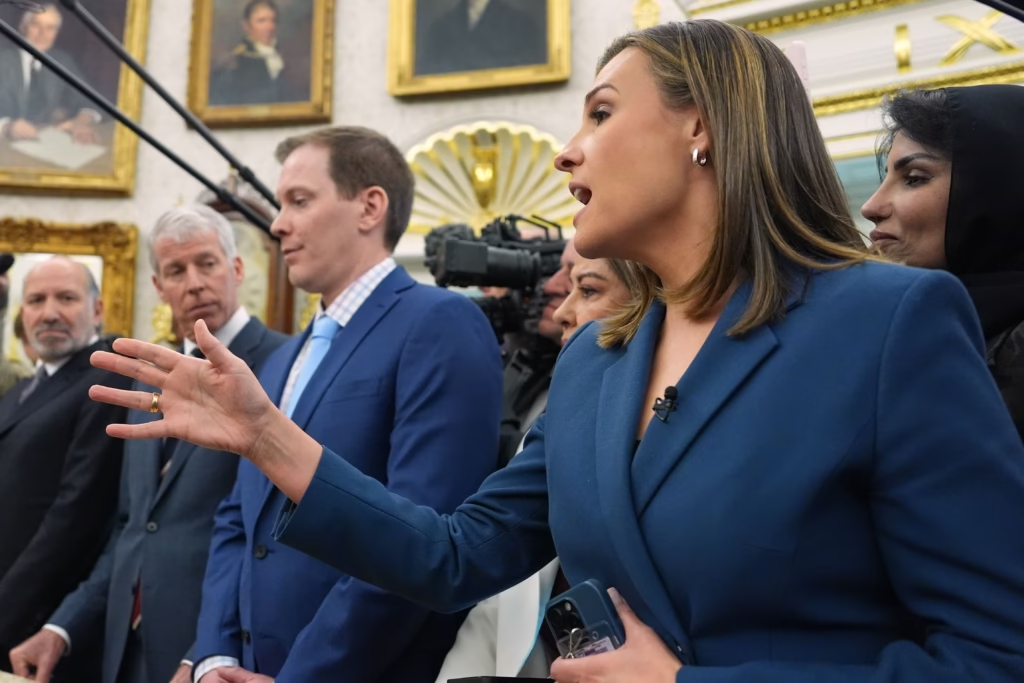
Catherine Lucey Trump Controversy: What Really Happened and Why It Matters
The Catherine Lucey Trump Controversy became a flashpoint in U.S. political journalism after a tense exchange aboard Air Force One resulted in Donald Trump referring to Bloomberg reporter Catherine Lucey as “piggy.” The moment was widely circulated, heavily debated, and quickly became part of a larger conversation about press freedom, political accountability, and gendered hostility toward women journalists.
This article provides a full, human-written deep dive into who Catherine Lucey is, her long career in political reporting, the history of her interactions with Trump, and how one brief but explosive comment became a national debate. We will also explore how this moment fits into the broader relationship between Trump and the press, as well as why the story resonated with journalists and the public.
An internal link: If you want to learn more about media ethics and political communication, visit our Media Standards & Press Freedom Guide.
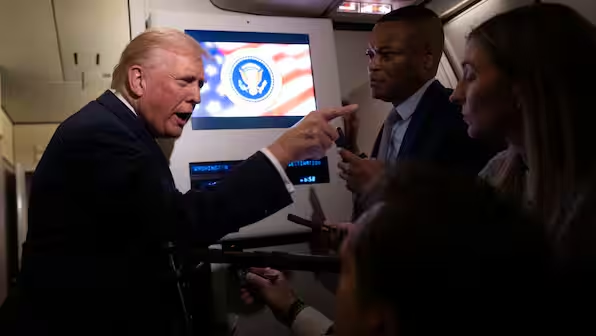
The Catherine Lucey Trump Controversy Explained
The Catherine Lucey Trump Controversy erupted during a press gaggle aboard Air Force One. When Lucey attempted to ask Trump a pointed question about the Jeffrey Epstein files — specifically why he seemed hesitant to support their full release — Trump abruptly cut her off. As she tried to finish asking the question, Trump responded with:
“Quiet. Quiet, piggy.”
The moment was captured on audio and reported by multiple news outlets shortly afterward. What might have been a routine question instead turned into a national story, in part because of the gendered nature of the insult and Trump’s long history of clashing with journalists.
Some defenders of Trump argued that the exchange was simply heated political back-and-forth. However, many reporters and commentators viewed it differently, noting that such language can discourage journalists — particularly women — from pressing political figures on difficult topics.
For more context on press freedom challenges, visit the Committee to Protect Journalists (DoFollow link).
Why Trump Used the “Piggy” Remark
A Pattern of Hostility Toward Reporters
This was not the first time Trump used derogatory language toward a journalist. He has a documented history of responding aggressively to tough questions, often using personal insults rather than substantive answers. The Catherine Lucey Trump Controversy adds another example to this pattern.
A Gendered Insult
Calling a female reporter “piggy” sparked strong reactions because it echoed past moments in which Trump used appearance-based insults against women. Critics argued that such language reinforces a culture where women in public roles, especially journalism, are demeaned for simply doing their jobs.
A Sensitive Topic: The Epstein Files
Some experts believe Trump was particularly defensive because the question centered on the Epstein documents — a subject he has often dismissed or redirected. Lucey’s question could have been perceived as probing too deeply into an issue he wanted to avoid.
Media and Public Reactions
Journalists Condemn the Remark
The moment drew immediate criticism from journalists around the country. Prominent anchors called the comment disrespectful and unprofessional. Many argued that dismissing a legitimate question with a personal insult undermines the role of the free press.
Bloomberg’s Response
Bloomberg News defended Lucey, praising her professionalism and reaffirming that their reporters ask questions “without fear or favor.” Their statement underscored the belief that journalists should never be attacked for doing their jobs responsibly.
Public Debate and Political Commentary
Political commentators debated the broader implications of the Catherine Lucey Trump Controversy, with many pointing to the importance of protecting journalists from intimidation tactics, particularly during high-stakes political moments.
Why the Catherine Lucey Trump Controversy Matters
Press Freedom
When political leaders insult or demean reporters, it raises concerns about how the press is treated — and whether journalists feel safe and free to ask difficult questions.
Gender Dynamics
The controversy highlighted deeper issues surrounding gender and how women in the media are spoken to by powerful figures.
Transparency and Accountability
Lucey’s original question about the Epstein files was legitimate and important. Brushing it aside with an insult instead of an answer only intensified scrutiny.
Impact on Journalistic Norms
If such behavior becomes normalized, it could discourage reporters from challenging those in power. This could harm public access to critical information.
Conclusion
The Catherine Lucey Trump Controversy is more than just a headline or a viral moment. It reflects longstanding tensions between political leaders and the press, the challenges women journalists face, and the importance of maintaining standards of respect in democratic discourse. Catherine Lucey has built a career grounded in professionalism, and her handling of the incident only reinforces her reputation as a serious and respected journalist.
The controversy also serves as a reminder that journalism is not simply about asking questions — it is about holding power accountable, even when those in power respond with hostility.