
Understanding the Global Implications for India and China
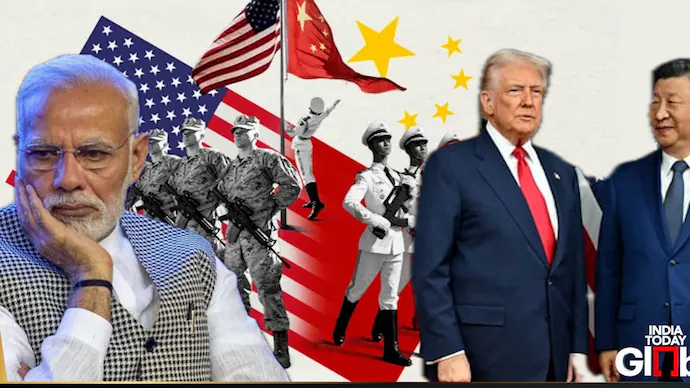
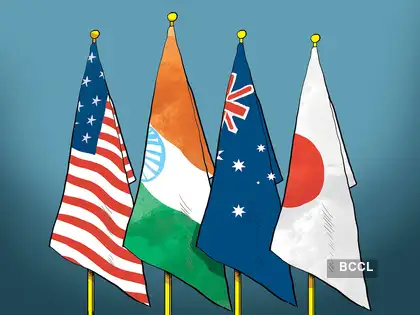
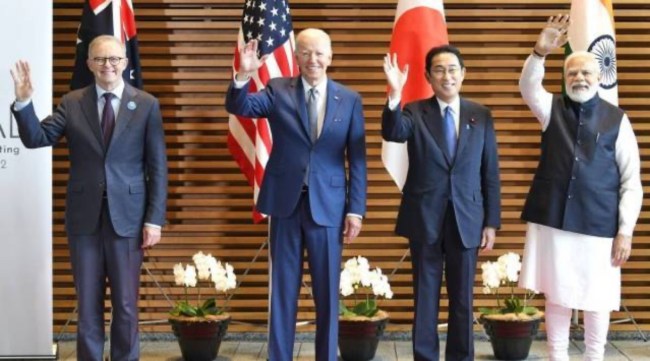
The Quad is Dead — or at least, that is what recent American and global media suggest. Over the past few years, the Quadrilateral Security Dialogue (Quad), consisting of the United States, India, Japan, and Australia, has been a cornerstone of Indo-Pacific strategy. Yet analysts argue that diverging priorities, lack of a unified mission, and shifting global politics may have rendered the Quad ineffective.
In this comprehensive analysis, we’ll explore 7 shocking reasons why the Quad is dead, and what this development means for both India and China.
1. Diverging Priorities Among Quad Members
One of the clearest signs that the Quad is Dead is the differing priorities of its member nations. Each country has unique geopolitical and economic interests:
- India prioritizes strategic autonomy while managing its complex relationship with China.
- Japan maintains strong economic and trade links with China and other Asian economies.
- Australia balances security ties with the U.S. while safeguarding its trade with China.
- The U.S. occasionally shifts its focus to Europe, the Middle East, or domestic issues.
These differences make cohesive action difficult, weakening the Quad’s credibility as a collective security forum.
Learn more about the Quad’s priorities (DoFollow).
2. Ambiguity of the Quad’s Mission
Another major reason the Quad is Dead is the lack of a clear, unified mission. Despite high-profile meetings and initiatives, the Quad remains a dialogue-based forum without formal treaties or binding military obligations.
- Meetings cover a wide range of issues: maritime security, cyber security, technology, and supply chains.
- Statements often clarify that the Quad is “not a military grouping … not meant to counter China.”
- This ambiguity undermines the Quad’s ability to act decisively in the Indo-Pacific.
Read official Quad statements here (DoFollow).
3. Shifts in U.S. Foreign Policy
The Quad’s cohesion is further affected by fluctuations in U.S. foreign policy. Analysts suggest that the Quad is Dead because of inconsistent commitment from Washington:
- U.S. focus may shift based on domestic priorities, elections, or other global crises.
- India-U.S. relations are sometimes seen as “transactional,” affecting trust within the Quad framework.
NDTV Profit explores this perspective (DoFollow).
Quad is Dead? Understanding the Global Implications for India and China

The Quad is Dead — or at least, that is what recent American and global media suggest. Over the past few years, the Quadrilateral Security Dialogue (Quad), consisting of the United States, India, Japan, and Australia, has been a cornerstone of Indo-Pacific strategy. Analysts argue that diverging priorities, lack of a unified mission, and shifting global politics may have re
4. Regional Alternatives Reduce Quad’s Relevance
The emergence of alternative regional platforms diminishes the Quad’s significance:
- China’s Belt and Road Initiative strengthens bilateral ties in the Indo-Pacific.
- Organizations like ASEAN, BRICS, and the Shanghai Cooperation Organization offer other avenues for cooperation.
As a result, the Quad is Dead in terms of being the sole mechanism for regional influence.
5. Economic vs Security Priorities Conflict
The Quad is Dead narrative also arises from the tension between economic and security priorities among member nations:
- Japan and Australia rely heavily on trade with China.
- Security concerns push members toward U.S.-led strategic alignment.
- The conflict between economic dependence and security alignment limits the Quad’s effectiveness.
Global Times reports on China’s perspective (DoFollow).
6. Impact of Quad is Dead on India
Risks for India
- Losing a key partner in balancing China’s regional influence.
- Risk of over-commitment to a faltering alliance.
- Strategic autonomy could be compromised by U.S.-led security initiatives.
Opportunities for India
- Selective engagement in technology, supply chains, and maritime security.
- Potential to lead alternative regional forums in the Indian Ocean and South Asia.
Explore India’s role in the Quad (DoFollow).
7. Impact of Quad is Dead on China
China stands to gain strategically if the Quad loses cohesion:
- Fewer organized constraints in the Indo-Pacific region.
- Opportunity to strengthen alternative alliances such as BRICS and SCO.
- Chinese media emphasizes that the Quad is “headed for a dead end,” shaping Beijing’s diplomatic messaging.
Conclusion: Is the Quad Really Dead?
Although some media claim the Quad is Dead, the reality is nuanced. The group continues to hold meetings, coordinate on strategic initiatives, and maintain communication channels. Its future depends on:
- Clearer, actionable objectives
- Tangible economic and security projects
- Sustained commitment from all member nations
India’s selective engagement will determine whether the Quad evolves into a stronger bloc or gradually fades in relevance.
Internal Linking Suggestions:
- Link to your coverage on India’s foreign policy strategy
- Link to articles on Indo-Pacific security
- Link to updates on China-India border tensions