
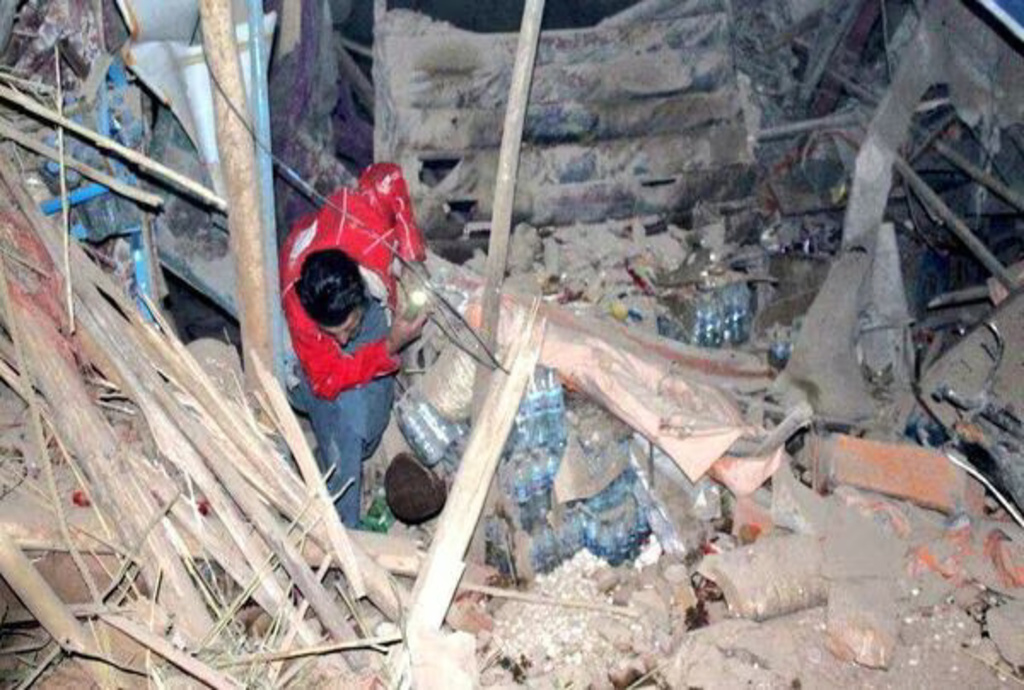
Earthquake today: Given the timing of the earthquake, which struck at 1 am local time, the United States Geological Survey (USGS) warned that it could be deadly. Afghanistan’s national disaster management agency said assessments of casualties and damages would be shared later.
A significant earthquake with a magnitude of 6.3 hit northern Afghanistan early Monday morning, killing a least 20 individuals and injuring over 320, according to local authorities and widespread accounts. The quakes triggered fears in several provinces, causing buildings to collapse, damaging historical buildings, and forcing many to sleep outdoors out of fear aftershocks would follow.
The epicenter was documented, on occasion, in the vicinity of the city of Mazar-e-Sharif in Balkh Province, around 22 kilometers west-southwest of Khulm, at an extremely shallow depth of 28 kilometers, according to the United States Geological Survey (USGS). The earthquake was significantly felt across the larger Hindu Kush region, with reports of shaking up to Kabul, Samangan, and into parts of Pakistan and Tajikistan.
Widespread Panic and Immediate Response
People recounted disordered scenes as the earthquake struck shortly after midnight. Many onlookers fled their houses minus footwear, fearing further tremors. Emergency sirens rang out through the streets of Mazar-e-Sharif as rescue teams worked to remove debris to find survivors who were trapped under collapsed buildings.
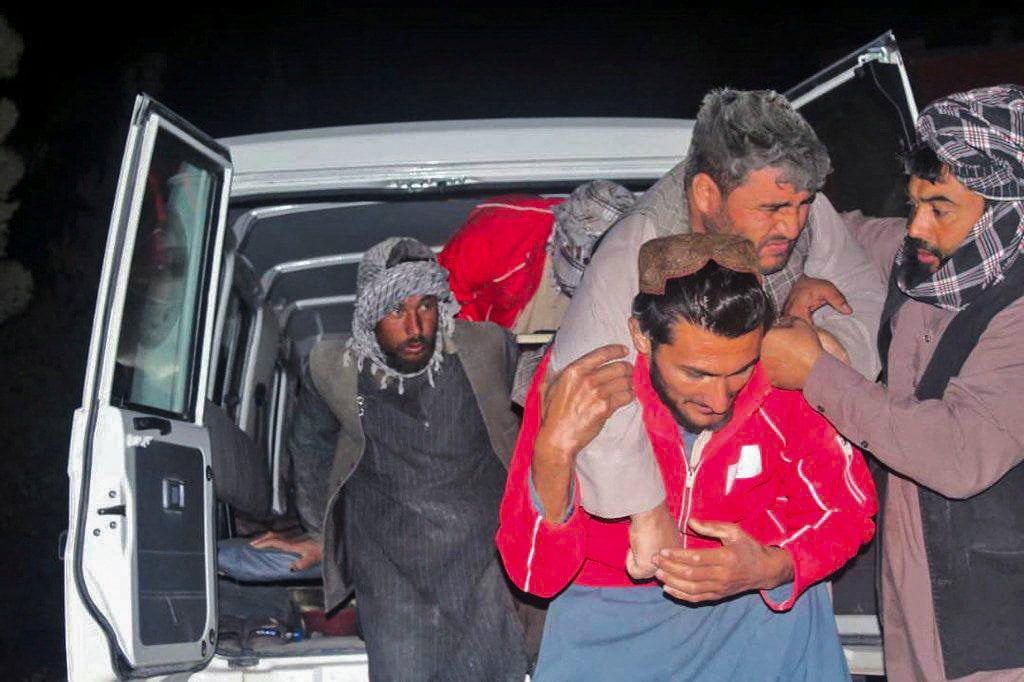
Local hospitals rapidly filled with injured residents, forcing medical teams to establish temporary medical treatment centres. Afghanistan’s Ministry of Health confirmed that medical supplies are being sent from nearby provinces to the overwhelmed hospitals. Officials say the death toll may rise as rescue teams reach more mountainous and remote areas.
Damage to Cultural Heritage
Among the notable damages reported was Mazar-e-Sharif’s Blue Mosque, a historic religious and cultural site, which showed apparent cracks and damage to one of its minarets. Photographs posted on social media showed debris littered around the mosque compound, highlighting the earthquake’s impact on Afghanistan’s cultural heritage.
Witnesses reported that, in smaller villages, several structures made from mud and brick completely collapsed, especially in Khulm and Chimtal districts. Power was also reportedly out across parts of northern Afghanistan, and the communication networks were reportedly unstable for several hours after the quake.
Government and Humanitarian Action
The Taliban-led Afghan government dispatched emergency response teams from the Ministry of Defence and the National Disaster Management Authority. According to government spokespeople, helicopters and ground teams have been organized to transport the injured and provide relief supplies, which include food, water and tents.
Officials have appealed for international assistance, noting that Afghanistan’s fragile infrastructure and limited medical facilities make it difficult to handle large-scale disasters. The World Health Organization (WHO) and the United Nations Office for the Coordination of Humanitarian Affairs (OCHA) have already begun assessing the situation to coordinate aid delivery.
“We are working around the clock to assist the victims,” a spokesperson for the Afghan Ministry of Health said. “The priority is to provide emergency medical care, rescue those still trapped, and ensure safe shelters for families who have lost their homes.”
Afghanistan’s History of Deadly Quakes
Afghanistan sits on a major tectonic fault line and is highly prone to earthquakes, particularly in the Hindu Kush mountain range. Weak infrastructure and densely populated settlements make the country especially vulnerable.
In recent years, several deadly earthquakes have struck Afghanistan. In October 2023, a series of powerful quakes killed more than 1,000 people in Herat Province, while another in 2022 claimed over 1,100 lives in the eastern region of Paktika. These frequent disasters underscore the urgent need for stronger building regulations and improved emergency preparedness.
Rising Humanitarian Concerns
The latest earthquake comes as Afghanistan continues to face multiple crises — including food insecurity, displacement, and a struggling healthcare system. With winter approaching, aid agencies warn that thousands could be left without adequate shelter, increasing the risk of hypothermia and disease outbreaks.
Humanitarian organizations are urging rapid global support to provide tents, blankets, clean water, and medical supplies to affected families. Meanwhile, local communities and volunteers have come together to offer food and assistance to those in need.
You may also visit : Pakistan in acute danger