

Introduction
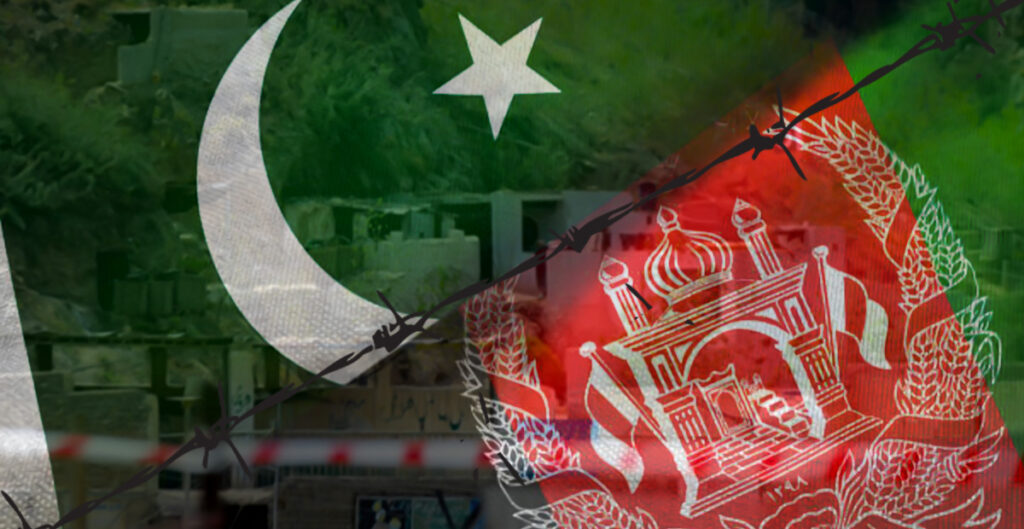
Pakistan and Afghanistan — two countries united by common culture, religion, and language — have yet to put their troubled relationship on an even keel. Since the Taliban took control of Afghanistan in 2021, tensions have continued to mount.
At first, Pakistan was welcoming the Taliban’s arrival, expecting a stable neighbor and increased control over groups like the Tehrik-i-Taliban Pakistan (TTP). But the reverse occurred — militant attacks within Pakistan have increased. Islamabad blames the Afghan Taliban for hosting the TTP, while Kabul dismisses them, alleging Pakistan is blaming Afghanistan for its own security shortfalls.
What started as tentative hope has again resulted in a common cycle of distrust and finger-pointing.
The Early Roots of the Conflict
In order to fully comprehend present-day friction, one must return to 1893, when the British colonial regime defined the Durand Line, a border separating Afghanistan from British India. The line cut Pashtun tribal lands in two — separating families, customs, and ethnic groups that were once united.
When Pakistan was established in 1947, Afghanistan was the lone country that opposed its accession to the United Nations. Kabul claimed that the Pashtuns across Pakistan’s border should have the right to choose their own political future. This initial disagreement concerning borders and ethnicity set the stage for decades of hostility.
The Cold War and the Rise of Militancy
The late 1970s changed South Asia for good. When the Soviet Union invaded Afghanistan in 1979, Pakistan was a frontline state for the U.S.-supported Afghan resistance — the Mujahideen. Billions of dollars in aid and arms passed through Pakistan, but so did unintended outcomes: millions of refugees, widespread drug trafficking, and the creation of potent militant networks.
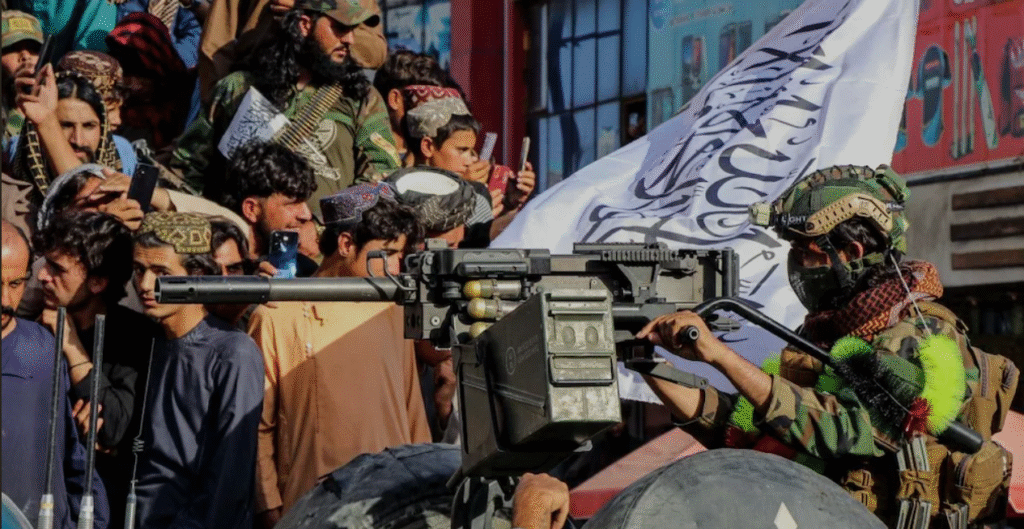
When the Soviets retreated in 1989, Afghanistan entered into anarchy. Out of this turbulence emerged the Taliban, which Pakistan backed in the 1990s to extend its reach and have a cozy regime in Kabul. It appeared for a while that Pakistan had succeeded in achieving its strategic depth — but that tranquility lasted briefly.
The Post-9/11 Era
The September 11 attacks in 2001 transformed Pakistan–Afghanistan relations once again. The United States invaded Afghanistan, deposed the Taliban, and initiated a global “War on Terror.” Pakistan allied with the U.S. but was frequently accused of having clandestine connections with the Taliban.
Meanwhile, Islamabad accused successive Afghan administrations of giving shelter to anti-Pakistan militants. The two countries became engaged in a game of blame, each blaming the other for promoting extremism and instability.
The Return of the Taliban and Renewed Friction
When the Taliban returned to power in 2021, Pakistan expected smoother ties and improved security. Instead, attacks from the TTP intensified. Pakistan alleges the Afghan Taliban have turned a blind eye, while Kabul insists it cannot control all militant factions.
Clashes have erupted at Torkham and Chaman border crossings, disrupting trade and triggering diplomatic disputes. Meanwhile, millions of Afghan refugees continue to live in Pakistan, further complicating the political landscape.
Why the Conflict Continues
1.The Durand Line – Afghanistan continues to resist the formal recognition of the colonial-era border.
2. Pashtun Identity – The common ethnic population makes border management politically charged.
3. Militancy and Security – Both countries blame each other for hosting insurgents.
4. Foreign Influence – The U.S., India, China, and others dictate regional geopolitics.
5. Economic Interdependence – Hostilities notwithstanding, both depend on cross-border trade and transit.
Conclusion: A Border That Still Divides
The Pakistan–Afghanistan war is so much more than a border dispute — it’s a battle over identity, history, and control. Until both countries get the guts to overcome historic hurts and mutual distrust, the Durand Line will be not only a border, but a wall blocking peace.